How Driveway SEO Works for High-Value Jobs
Driveway SEO isn’t about traffic volume.
It’s about attracting buyers — not browsers.
The difference matters.
High-value driveway jobs come from homeowners actively searching with intent.
They’re not scrolling social media.
They’re not casually browsing.
They’re typing specific phrases into Google because they’re ready to make a decision.
When structured properly, driveway SEO positions your company in front of:
- Homeowners with budget
- Renovation buyers
- Property upgraders
- Long-term planners
If you’re exploring professional
driveway SEO services, understanding how this works month-by-month will show you why structure and positioning determine enquiry quality.
How Customers Search for Driveway Work
Most contractors underestimate how specific driveway searches are.
Common searches include:
- “block paving driveway cost”
- “resin driveway installers near me”
- “new driveway [town]”
- “tarmac driveway company”
- “driveway replacement specialists”
These users are:
- Comparing companies
- Checking galleries
- Looking at reviews
- Assessing professionalism
- Judging trust instantly
They are not looking for the cheapest option.
They are looking for the most credible one.
Google understands this intent — and your website must match it.
Why Driveway SEO Is Different From General Trades SEO
Driveway projects are high-ticket.
That changes everything.
Unlike emergency trades (plumbing, roofing), driveway customers:
- Research for weeks
- Compare 3–5 companies
- Look at project galleries
- Read reviews carefully
- Consider finance and long-term value
This means your SEO must do more than “rank.”
It must position.
That positioning begins with structure.
Month 1 – Service Clarity & Structural Authority
Month 1 is about clarity — not traffic spikes.
This is where most driveway contractors lose ranking potential before they even start.
Each Driveway Type Needs Its Own Page
Google does not rank one generic “Driveways” page for everything.
It needs separation:
- Block paving driveways
- Resin bound driveways
- Tarmac driveways
- Gravel driveways
Each service requires:
- Its own page
- Its own optimisation
- Its own internal links
- Its own supporting content
One page cannot rank for everything.
If your website groups all driveway types into one vague services page, Google cannot confidently match you to specific searches like:
“resin driveway installer Wilmslow”
This is where proper driveway website design becomes critical — structure directly impacts visibility.
Visual Proof Is Essential
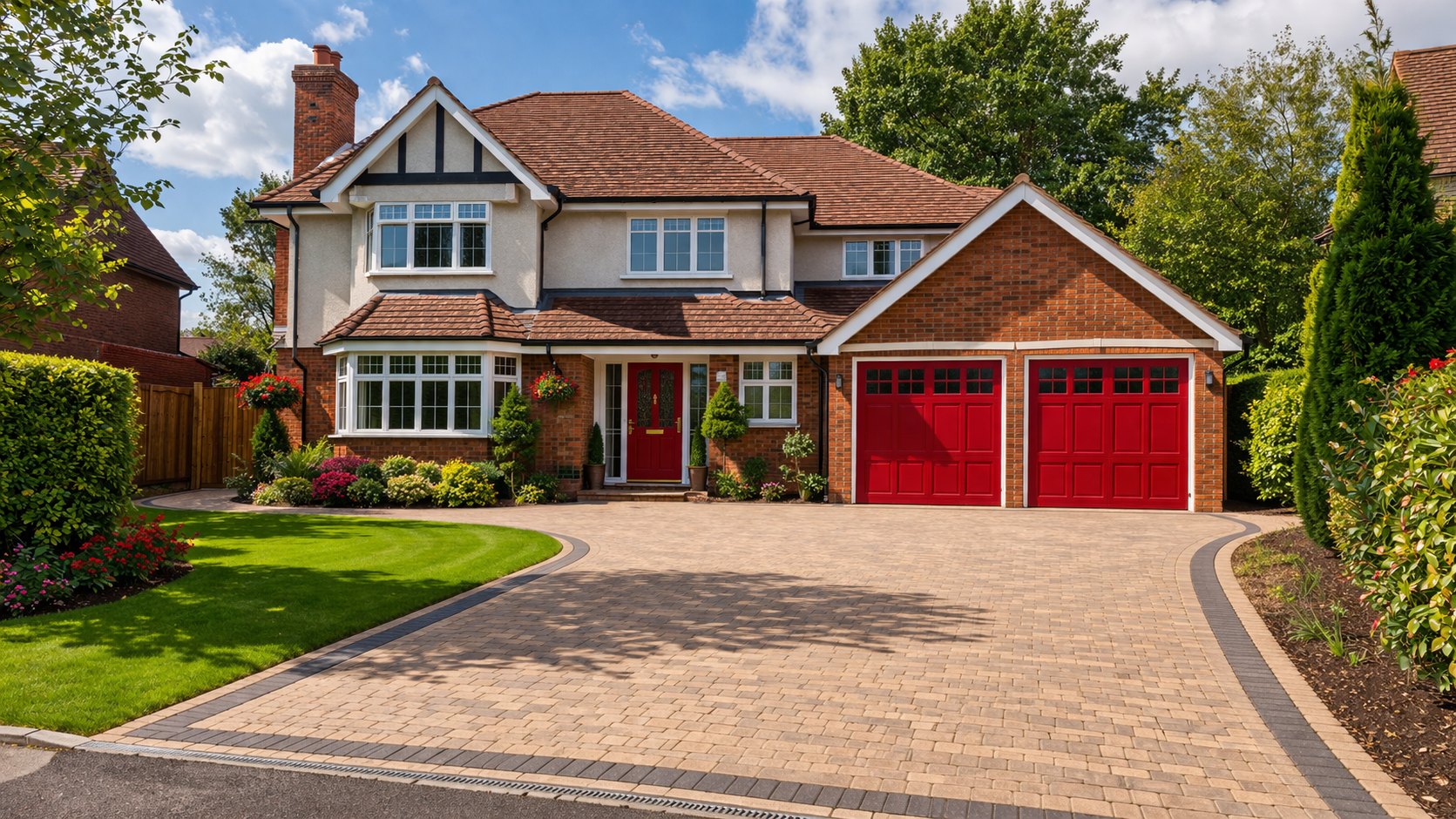
Driveways are visual purchases.
Before-and-after galleries massively increase:
- Time on site
- Enquiry quality
- Trust signals
- Conversion rates
Google also measures engagement.
If users land on your page and immediately leave, rankings drop.
Strong galleries:
- Increase dwell time
- Improve behavioural signals
- Reinforce authority
Driveway SEO is part technical — part psychological.
Town-Specific Signals Must Be Clear
If you work in multiple towns, Google needs clear signals for each.
For example:
- Block paving driveways in Stockport
- Resin driveways in Wilmslow
- Tarmac driveways in Altrincham
Without town clarity, Google defaults to competitors with better structure.
Months 2–3 – Maps Positioning & Authority Signals
This is where ranking movement becomes visible.
Google Maps Filters Low-Quality Leads
Strong Google Business Profiles attract:
- Homeowners
- Renovation buyers
- Long-term planners
Weak profiles attract:
- Price-shoppers
- “How cheap?” messages
- Comparison-only enquiries
Your Maps profile must include:
- Correct categories
- Full service breakdown
- High-quality project images
- Consistent review growth
- Detailed business description
When structured correctly, Maps visibility alone can produce high-value leads before organic rankings fully stabilise.
Authority Supports Competitive Keywords
Driveway SEO is competitive.
Terms like:
- “block paving driveway [town]”
- “resin driveway installers”
- “driveway company near me”
Are not easy wins.
Authority building separates serious companies from casual installers.
Authority includes:
- Strong internal linking
- Backlinks from relevant sources
- Review strength
- Topical coverage
- Consistent publishing
Without authority, rankings fluctuate.
With authority, they stabilise.
Months 3–6 – Consistent High-Value Enquiries
This is where predictability begins.
When driveway SEO is structured properly, you typically see:
- Fewer total enquiries
- Higher average job values
- Shorter sales cycles
- More decisive customers
Why?
Because SEO attracts intent-driven buyers.
High-Intent Keywords Begin Converting
Phrases like:
- “resin driveway installer [town]”
- “block paving driveway specialists”
- “driveway company near me”
Convert strongly because the searcher is ready.
It’s common to see:
- Noticeable impression growth by month 3
- First strong enquiries by months 2–4
- Stable ranking improvements by month 4–6
For contractors questioning
how much a driveway website should cost, this is the stage where ROI becomes measurable.
Competitive Positioning Improves
By month 6:
- Core service pages stabilise
- Town rankings strengthen
- Maps positions improve
- Brand searches increase
Google begins recognising your business as established.
That stability protects you from competitors attempting shortcuts.
Why Driveway SEO Fails for Most Contractors
Most failures are structural.
Common mistakes:
- One generic driveway page
- No separation of driveway types
- No town-specific targeting
- Weak project galleries
- No internal linking
- No authority building
- Cheap outsourced content
SEO does not reward minimal effort.
It rewards clarity, structure, and consistency.
Many contractors assume “more content” solves the issue.
It doesn’t.
Strategic structure solves the issue.
What High-Value Driveway SEO Looks Like in Practice
A properly structured driveway SEO campaign results in:
- Controlled lead flow
- Higher average job value
- Improved brand perception
- Stronger close rates
- Reduced reliance on lead platforms
Instead of chasing work, work finds you.
And it’s better quality.
What a Realistic Timeline Looks Like
Month 1:
Structural fixes and service clarity.
Months 2–3:
Maps improvement and early enquiry growth.
Months 3–6:
Stable ranking movement and consistent high-value leads.
Months 6–12:
Market positioning and competitive dominance.
SEO is not instant.
But when structured properly, it becomes predictable.
Final Thoughts
Driveway SEO works when it targets buyers — not clicks.
It works when:
- Services are separated clearly
- Town focus is structured properly
- Authority is built steadily
- Maps and organic rankings support each other
- Visual proof reinforces trust
It fails when shortcuts replace structure.
High-value jobs don’t come from volume.
They come from visibility in the right searches.